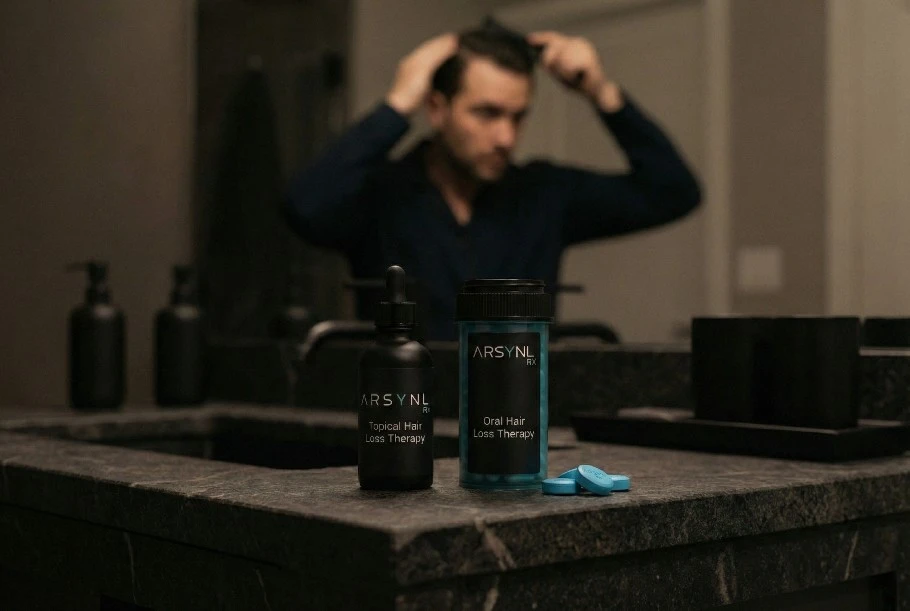
When faced with hair loss, many individuals seek effective solutions. Among the options available, two powerful medications come up frequently: finasteride and dutasteride. Both are known for their abilities to block dihydrotestosterone (DHT), the hormone responsible for hair loss, but the question remains: which DHT blocker is more effective for hair loss? In this article, we will explore the differences between finasteride and dutasteride, helping you make an informed decision about your hair restoration journey.
What Are Finasteride and Dutasteride?
Finasteride and dutasteride are medications primarily used to treat conditions related to androgenic alopecia, commonly known as male or female pattern baldness, and benign prostatic hyperplasia (BPH). Both drugs work under the umbrella of 5-alpha reductase inhibitors, blocking the conversion of testosterone to DHT.
Finasteride acts on type II 5-alpha reductase, the enzyme responsible for converting testosterone into DHT in the hair follicles and prostate. It has been the go-to medication for hair loss since the 1990s.
Dutasteride, on the other hand, inhibits both type I and type II 5-alpha reductase, thereby blocking DHT production more comprehensively. This broader approach may suggest that it could be more effective in preventing hair loss—something we’ll delve into further.
The Problem: Understanding DHT’s Role in Hair Loss
DHT plays a crucial role in hair loss for many individuals. While it is important for numerous bodily functions, excessive levels of DHT can lead to shrinking hair follicles, making hair thinner and less robust over time. In men, this often manifests as a receding hairline and thinning on the crown, while women may experience overall hair thinning. Tackling DHT is therefore essential in any effective hair restoration plan.
Hair loss can be distressing, impacting confidence and self-esteem. Understanding the mechanisms behind DHT can empower individuals to choose the right course of action tailored to their unique needs. By addressing these factors, finasteride and dutasteride can play critical roles in combating hair loss.
How Treatment Works: Finasteride vs. Dutasteride
Both medications have shown significant effectiveness in clinical trials. Finasteride has been proven to halt hair loss and, for many, even promote regrowth. Users typically notice results within 3-6 months, with continued improvement up to a year or longer when taken consistently.
Dutasteride, with its dual-action mechanism, may offer a more aggressive approach to blocking DHT. Studies have shown that dutasteride can lead to a more substantial reduction in DHT levels than finasteride, which may translate into better clinical outcomes for some patients. However, as with any medication, individual responses can vary significantly.
If you’re exploring options for hair loss, ARSYNL Rx offers Men’s Hair Loss products that include clinically backed therapies for hair restoration. Tailored solutions are available to address specific concerns, and these options can work synergistically with DHT blockers.
What to Expect: Results and Timeline
Individual experiences may vary, but those on finasteride can expect to see results within a few months, while dutasteride may take a similar or slightly longer timeline due to its extended inhibition of DHT. Regular follow-ups with a healthcare provider can help assess the effectiveness of the treatment and determine if any adjustments are necessary.
As you embark on your hair restoration journey, patience is key. Consistent treatment over time typically yields the best results, whether you choose finasteride or dutasteride. Many men report substantial benefits, not only in terms of visible hair growth but also in confidence.
If you’re considering treatments that complement these DHT blockers, ARSYNL Rx’s Glutathione Injection may be worth exploring due to its potential antioxidant benefits and overall wellness support. Combining different therapies might provide a comprehensive approach to hair restoration.
How to Get Started with ARSYNL Rx
Starting your hair restoration journey through ARSYNL Rx is straightforward and confidential. Our telemedicine platform allows you to consult with licensed healthcare providers who specialize in hair loss therapies. After a consultation, providers can recommend the most suitable treatment options, whether it’s finasteride, dutasteride, or other complementary therapies.
To explore your options, visit ARSYNL Rx and take the first step towards regaining your confidence. Remember, personalized care is just a consultation away.
FAQ
1. Are finasteride and dutasteride safe?
Both medications are generally considered safe when prescribed and monitored under medical supervision. Side effects may occur, but they vary by individual.
2. Can women use finasteride or dutasteride?
Finasteride is not typically recommended for women, especially during pregnancy, due to potential risks. However, dutasteride may be considered in some cases after a thorough evaluation by a clinician.
3. How long do I need to take these medications?
For lasting effects, ongoing treatment is usually required. Regular consultations with a healthcare provider can help guide your treatment regimen.
4. Can I use hair loss treatments with other therapies?
Yes! Many patients find that combining hair loss treatments with other therapies, such as minoxidil or vitamin supplements like B12, enhances their overall results. It’s best to discuss this with your healthcare provider.
Now that you’ve learned more about finasteride vs. dutasteride and their roles in combating hair loss, you’re ready to make informed decisions about your hair restoration journey. If you’re ready to explore your options, ARSYNL Rx offers personalized consultation services and products tailored to your needs. Visit arsynl.com to start your consultation today.
This article is for informational purposes only and does not constitute medical advice. All therapies offered through ARSYNL Rx require a consultation with a licensed U.S. provider. Results may vary by individual. Visit arsynl.com to learn more.