
You recently had blood work done and noticed something confusing: your testosterone level was low, but your luteinizing hormone, or LH, was reported as normal.
If testosterone is low, shouldn’t LH be high?
It’s a reasonable question. Testosterone and LH are closely connected through the body’s hormone signaling system, and understanding their relationship can help explain why doctors order multiple hormone tests.
Low testosterone with normal LH can sometimes suggest that the brain’s hormonal signaling system is not increasing LH as expected. However, the meaning depends on how low testosterone is, whether the finding has been confirmed, your symptoms, and other laboratory results.
A single hormone panel is rarely enough to determine the underlying cause.
For men who are experiencing fatigue, reduced libido, or other possible symptoms of testosterone deficiency, understanding the difference between testosterone production and hormone signaling can make the next medical conversation more productive.
What Is Luteinizing Hormone?
Luteinizing hormone is produced by the pituitary gland, a small gland located near the base of the brain.
In men, LH helps regulate testosterone production by signaling specialized cells in the testes called Leydig cells.
The process begins in the hypothalamus, another region of the brain involved in hormone regulation.
The hypothalamus releases gonadotropin-releasing hormone, or GnRH, which tells the pituitary gland to release LH and follicle-stimulating hormone, or FSH.
LH then signals the testes to produce testosterone.
As testosterone levels change, the brain receives feedback that helps regulate further hormone release.
This system is called the hypothalamic-pituitary-gonadal axis.
When it functions normally, communication between the brain and testes helps maintain testosterone within an appropriate range.
Why Would LH Be Normal When Testosterone Is Low?
When testosterone falls substantially, the body would generally be expected to respond by increasing LH signaling.
If the testes are not producing enough testosterone despite strong LH stimulation, LH may rise above the laboratory reference range.
However, some men have low testosterone without a corresponding increase in LH.
In certain circumstances, a normal LH value can be considered inappropriately normal, meaning the result falls within the laboratory’s reference interval but may be lower than expected given the testosterone concentration.
This pattern can be associated with secondary, or central, hypogonadism.
Secondary hypogonadism involves the hypothalamus or pituitary gland rather than a primary failure of testosterone production in the testes.
However, not every man with one low testosterone result and normal LH has secondary hypogonadism.
Testosterone varies throughout the day, LH is released in pulses, and illness, medications, sleep, and other factors can temporarily affect results.
A clinician must evaluate the entire picture.
Primary vs. Secondary Hypogonadism
Understanding the distinction between primary and secondary hypogonadism can help explain why LH testing matters.
Primary hypogonadism occurs when the testes do not produce enough testosterone despite receiving signals from the pituitary gland.
In this situation, LH is often elevated because the brain is trying to stimulate additional testosterone production.
Secondary hypogonadism occurs when the brain does not provide adequate hormonal stimulation to the testes.
In that case, LH may be low or unexpectedly normal despite low testosterone.
This distinction matters because the possible causes, diagnostic evaluation, and treatment considerations may differ.
The Endocrine Society recommends measuring LH and FSH in men with confirmed testosterone deficiency to help distinguish between primary and secondary causes.
Importantly, the diagnosis of testosterone deficiency requires both compatible symptoms or signs and consistently low testosterone measurements, not just one abnormal value.
What Can Cause Low Testosterone With Normal LH?
Several different factors may contribute to this laboratory pattern.
One possibility is reduced pituitary or hypothalamic signaling associated with certain medical conditions.
However, there are also potentially reversible contributors.
Obesity, untreated sleep apnea, significant illness, severe caloric restriction, and some medications can affect testosterone regulation.
Opioid medications and glucocorticoids, for example, may suppress hormone signaling in certain patients.
Anabolic steroid use or prior testosterone treatment can also suppress the body’s natural LH production.
Other possible causes include elevated prolactin levels, pituitary disorders, and certain systemic illnesses.
Some men may have no immediately identifiable cause following an initial evaluation.
Because the possibilities vary considerably, self-diagnosing from a single blood test can lead to incorrect conclusions.
Can Stress or Poor Sleep Affect Testosterone and LH?
Sleep and physical stress can influence hormone regulation.
Testosterone production has important relationships with sleep, overall health, and energy balance.
A period of significant illness, poor sleep, intense training combined with inadequate nutrition, or substantial weight changes may affect measured hormone levels.
However, feeling stressed or tired does not automatically explain a genuinely low testosterone level.
Providers should avoid assuming that every abnormal result is caused by lifestyle factors.
The appropriate approach is to repeat testing when indicated, review medical history, and consider whether additional investigation is needed.
This is particularly important when symptoms are significant or hormone levels are substantially abnormal.
What Additional Labs Might Be Needed?
If testosterone is low and LH is normal, a healthcare provider may request additional testing.
Repeat early-morning testosterone measurements are often an important first step.
Depending on the circumstances, a clinician may also review free testosterone, sex hormone-binding globulin, FSH, prolactin, thyroid function, and other relevant markers.
Free testosterone can be particularly useful when total testosterone is borderline or when factors affecting sex hormone-binding globulin may complicate interpretation.
Prolactin testing may be considered when secondary hypogonadism is suspected.
In selected cases, especially when testosterone is very low or additional pituitary abnormalities are present, a specialist may recommend further evaluation or imaging.
Not every patient needs every test. A provider should select investigations based on the pattern of results and clinical history.
Does Normal LH Mean Your Testosterone Problem Is Mild?
Not necessarily.
The LH result alone does not determine the severity of testosterone deficiency.
A man may have significant symptoms with low testosterone and an LH measurement within the reference range.
Another man may have a borderline testosterone measurement with no symptoms and require only repeat testing or observation.
The combination of symptoms, repeat laboratory measurements, and underlying cause matters more than whether LH is labeled normal.
It is also important to remember that laboratory reference ranges describe populations. They do not always explain whether a particular result represents an appropriate physiological response.
That is why interpretation should go beyond simply checking whether each number has been flagged as high or low.
Does Low Testosterone With Normal LH Mean You Need TRT?
No. This laboratory pattern does not automatically mean testosterone replacement therapy is necessary.
Treatment depends on whether testosterone deficiency is confirmed, why it developed, whether reversible factors are present, and the patient’s medical history.
For example, a clinician may recommend addressing sleep apnea, reviewing medication effects, or investigating a pituitary issue before considering testosterone treatment.
Fertility plans are also important.
External testosterone therapy can suppress the hormones involved in sperm production, so men who are planning biological children should discuss fertility implications before beginning treatment.
For men who meet the clinical criteria for prescription testosterone therapy, ARSYNL Rx offers information about injectable testosterone cypionate and testosterone HypoSpray® therapy.
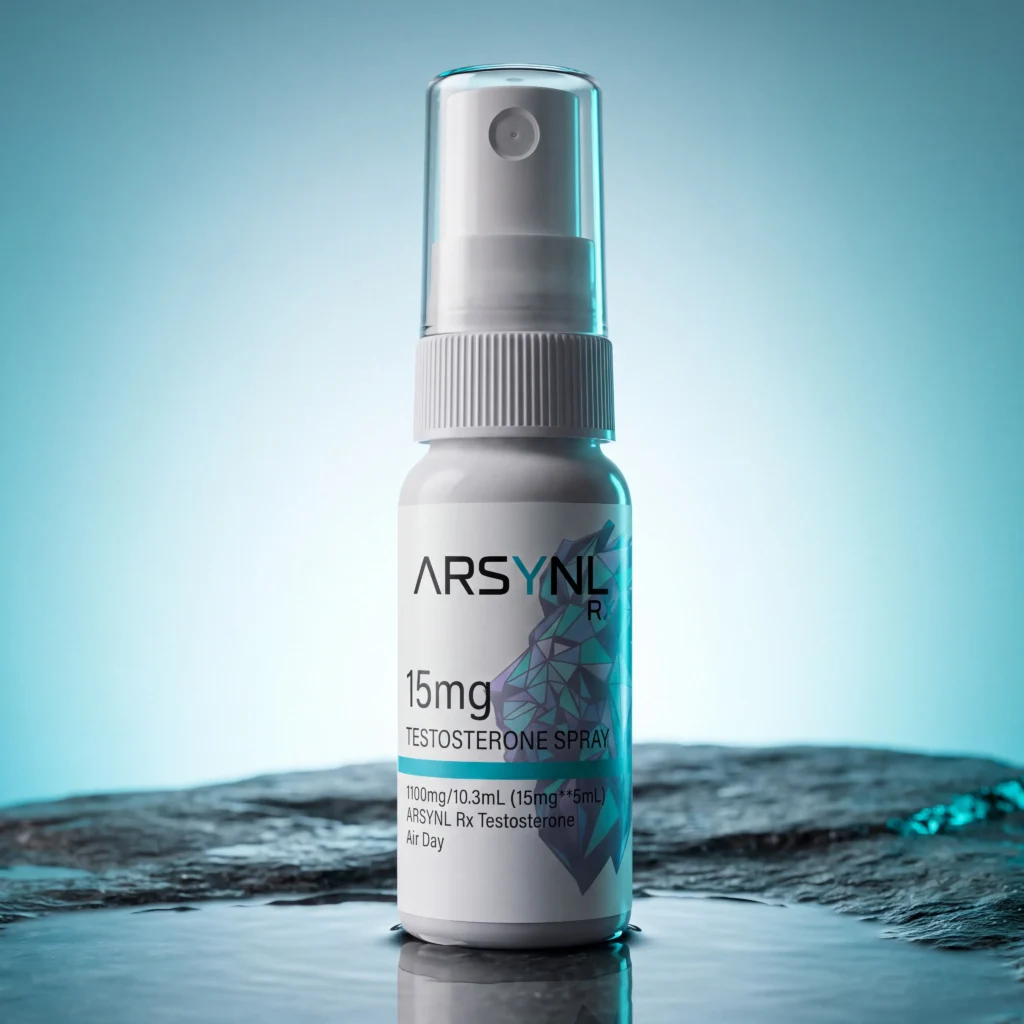
Testosterone HypoSpray® is a needle-free transdermal formulation that provides a different administration format to discuss with a provider. It is not established as superior to injectable testosterone, and the compounded formulation is not FDA-approved.
Different delivery methods do not eliminate the need to understand why testosterone is low or to consider fertility and other medical risks.
What About Oral Enclomiphene?
Oral enclomiphene is sometimes discussed in men whose testosterone-related concerns may involve the body’s hormonal signaling system.
Unlike testosterone replacement, enclomiphene is a selective estrogen receptor modulator that can influence pituitary signaling and endogenous testosterone production in certain men.
However, enclomiphene is not FDA-approved, and it should not be presented as a universal treatment for low testosterone or as guaranteed to preserve fertility.
Whether it is clinically appropriate depends on the underlying cause of hormone abnormalities, the patient’s goals, and the available evidence.
This distinction is especially important because two men with similar testosterone numbers may have very different clinical needs.
Questions to Ask About Your Lab Results
If your testosterone is low but LH is normal, consider discussing these questions with your provider:
- Was my testosterone measured at the appropriate time of day?
- Should testosterone be tested again before making a diagnosis?
- Is my LH level appropriate for my testosterone concentration?
- Would FSH, free testosterone, SHBG, or prolactin provide additional information?
- Could medication effects or an underlying medical condition be contributing?
- Is fertility something we should address before discussing treatment?
- Would referral to an endocrinologist or urologist be appropriate?
These questions help focus the conversation on identifying the cause rather than selecting a medication before the evaluation is complete.
How ARSYNL Rx Supports Hormone Evaluation
For eligible men concerned about hormone health, ARSYNL Rx provides a telehealth pathway to discuss symptoms, laboratory results, medical history, and potential options with licensed providers.
Men who have not yet completed testing can also explore the men’s at-home hormone lab test to learn about the company’s available testing pathway.
A clinician can determine whether existing results are sufficient, whether further testing is needed, or whether referral for specialized evaluation is more appropriate.
Prescription options should only be considered after an individualized assessment.
The Bottom Line
Low testosterone with normal LH can sometimes suggest that the body’s hormonal signaling response is not increasing as expected.
In men with confirmed testosterone deficiency, this may indicate secondary hypogonadism, but the interpretation depends on repeated testosterone testing, symptoms, other hormone measurements, and medical history.
The most important step is identifying why the numbers look the way they do.
ARSYNL Rx offers provider-guided access to hormone evaluation and related care options for eligible men who want to better understand their results and discuss appropriate next steps.
Medical Disclaimer: This content is for informational purposes only. Testosterone deficiency cannot be diagnosed from a single lab value. Testosterone therapy and enclomiphene require individualized medical assessment and monitoring. Compounded medications are not FDA-approved.