The way a medication is delivered can shape the entire patient experience. When people think about prescription therapies for hormone support, weight management, or performance-focused health optimization, they often focus first on the active ingredient. That makes sense. The medication itself matters. But the delivery method matters too.
For many patients, the question is not only “What am I taking?” It is also “How does this fit into my routine?” “Is it discreet?” “Will I be able to stay consistent?” “Does it require needles?” “Is it messy?” “How often do I need to use it?” “What kind of provider oversight do I need?”
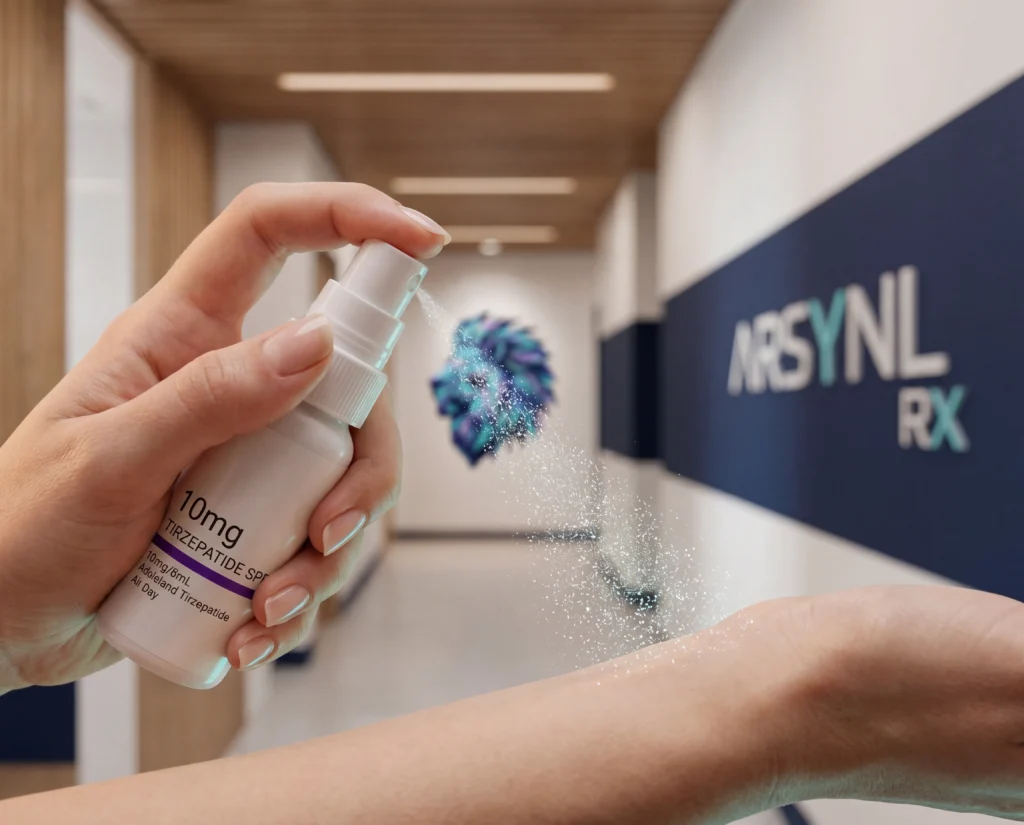
That is where HypoSpray® has become an important part of the conversation. HypoSpray® is a proprietary transdermal spray delivery technology developed, owned, and controlled by TDSC / HypoSpray Pharma. Through ARSYNL Rx, eligible patients may be able to access certain HypoSpray® products through licensed medical providers when clinically appropriate.
HypoSpray® is not meant to replace provider evaluation, lab review when needed, or ongoing medical guidance. It is still a prescription-based option that should be used under professional supervision. But for patients comparing creams, gels, injections, and spray-based delivery formats, HypoSpray® offers a different kind of experience.
Why Delivery Method Matters
Medication delivery is not just a technical detail. It can affect how patients feel about starting treatment, how consistently they use the medication, and how much friction they experience in daily life.
Some patients are comfortable with injections. Others are not. Some are fine with topical creams or gels. Others dislike the texture, transfer concerns, or extra application steps. Some patients want a routine that feels more discreet and less disruptive. Others are focused on precision, provider monitoring, and whether a format can be integrated into a broader health plan.
That is why delivery format should be discussed as part of a complete provider-guided plan. A licensed provider can help patients understand whether a specific therapy is appropriate, what delivery options are available, and what expectations should be realistic.
ARSYNL Rx already focuses on a provider-guided telehealth model, which means patients are not simply choosing products in isolation. They are starting with an evaluation process designed to determine whether a prescription option fits their goals, health history, and needs. For patients who want to better understand that care model, ARSYNL Rx explains more about physician-supervised telehealth and what guided online care should include.
HypoSpray® vs. Creams
Creams are one of the most familiar topical formats. They can be used for a range of medical and wellness-related prescriptions, depending on the medication and the patient’s needs. For some people, creams work well and are easy to build into a routine.
However, creams can come with practical drawbacks. They may feel messy. They may take time to rub in. They may leave residue on the skin. Patients may also need to be careful about where and when they apply them, especially if there is any concern about transfer to another person through skin contact.
That does not mean creams are bad. It means they require a routine that some patients may find inconvenient.
HypoSpray® is different because it is designed as a spray-based transdermal format rather than a cream that needs to be rubbed into the skin. For patients who want a cleaner-feeling application experience, a spray may feel simpler and more streamlined. That ease of use can matter, especially for daily therapies where consistency is important.
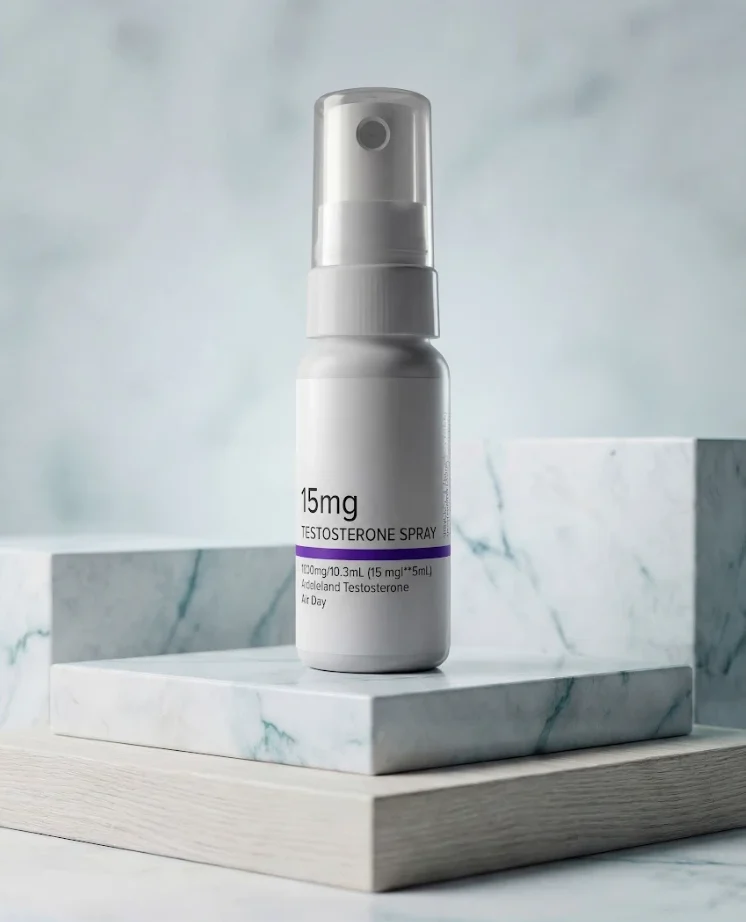
This is particularly relevant in hormone support. Patients exploring options like transdermal testosterone therapy may care about both the clinical plan and the practical routine. If the format feels easier to use, patients may feel more confident following provider instructions consistently.
HypoSpray® vs. Gels
Gels are another common transdermal format, especially in hormone therapy discussions. Like creams, gels can be useful for certain patients when prescribed and monitored appropriately. They are familiar, widely discussed, and may be a fit for some treatment plans.
But gels also have lifestyle considerations. Some patients do not like the feel of gel on the skin. Others worry about drying time, application site rules, clothing contact, or potential transfer. For patients who live with a partner, children, or pets, transfer concerns may be especially important to discuss with a provider.
HypoSpray® offers a different user experience. A spray format may feel less heavy or sticky than a gel, depending on the product and application instructions. It may also feel more discreet for patients who want a daily routine that does not feel like a traditional topical medication.
For men researching testosterone options, this difference can be especially relevant. ARSYNL Rx has existing information on HypoSpray® testosterone therapy and how a spray-based transdermal format fits into modern testosterone support. The key is still medical supervision. Testosterone therapy should never be approached casually, and patients should not self-diagnose based on symptoms alone.
HypoSpray® vs. Injections
Injections are one of the most recognized delivery methods for hormone therapy, peptide therapy, and many weight management medications. For some patients, injections are effective, familiar, and manageable. Many people use injectable medications successfully under provider guidance.
But injections can be a barrier for others.
Some patients have needle anxiety. Some dislike the idea of self-injecting. Others worry about doing it correctly, managing supplies, traveling with medication, or staying consistent over time. Even when the injection schedule is not daily, the mental barrier can still be significant for people who are uncomfortable with needles.
HypoSpray® offers a needle-free alternative for certain prescription therapies when clinically appropriate. That does not automatically make it the right choice for everyone, but it does give patients another format to discuss with their provider.
This is especially important in the weight management space. Many patients are interested in GLP-1 and related medications but hesitate because they associate medical weight loss with injections. ARSYNL Rx provides information about topical tirzepatide through provider-guided care for patients who want to explore how needle-free support may fit into a medically supervised plan.
For eligible patients, needle-free delivery may make the process feel more approachable. But convenience should not be mistaken for casual use. Prescription weight management still requires proper evaluation, screening, and follow-up.
The Convenience Factor
Convenience is one of the biggest reasons patients compare delivery methods. If a treatment is difficult to use, unpleasant, intimidating, or disruptive, patients may be less likely to stay consistent. That matters because many hormone, metabolic, and hair-related therapies depend on steady use and realistic expectations over time.
HypoSpray® is designed to fit into a streamlined routine. For some patients, a spray may feel faster and less intimidating than an injection. It may feel cleaner than a cream or gel. It may also feel more discreet, which can matter for people who value privacy around their health decisions.
This does not mean convenience is the only factor. Safety, candidacy, dosing, monitoring, side effects, and treatment goals all matter more than preference alone. But when a patient has multiple clinically appropriate options, the delivery experience can influence which format feels sustainable.
A provider-guided model helps patients balance those priorities. Rather than choosing based only on marketing claims or convenience, patients can discuss the pros, limitations, and responsibilities of each option with a licensed medical provider.
The Discretion Factor
Discretion is another reason HypoSpray® has gained attention. Hormone therapy, testosterone support, weight management, and hair restoration can all feel personal. Many patients want help, but they do not want their treatment to become a public conversation.
Telehealth already supports that need by allowing patients to begin the process from home. Instead of navigating a traditional waiting room or rearranging an entire day around an appointment, patients can complete an intake, connect with a provider, and review options more privately.
A spray format may extend that sense of discretion into the patient’s routine. For people who travel, work long hours, share a bathroom, or simply prefer a less clinical-feeling format, HypoSpray® may feel more aligned with how they want to manage their care.
ARSYNL Rx’s guide on how to get started explains how the process can move from consultation to provider review and fulfillment when a prescription is appropriate.
HypoSpray® and Testosterone Support
Testosterone therapy is one of the most common areas where delivery method matters. Men exploring TRT may compare injections, topical gels, creams, oral options, and transdermal spray formats. Each has its own considerations.
Injections may appeal to patients who are comfortable with needle-based routines. Gels and creams may appeal to patients who prefer topical application. HypoSpray® may appeal to patients who want a transdermal option that feels more streamlined than traditional topicals.
For men considering testosterone support, the first step should not be choosing a format. It should be evaluation. Symptoms like low energy, low libido, fatigue, mood changes, weight gain, or reduced motivation can overlap with many other issues. Lab work and provider review are important for determining whether testosterone support is appropriate.
Patients researching this topic can learn more about how to get a testosterone prescription online and why the process should involve more than symptoms alone.
HypoSpray® and Weight Management Support
HypoSpray® is also relevant in the medical weight loss conversation, especially for patients interested in tirzepatide but hesitant about injections. GLP-1 and related therapies are often associated with injectable formats, which can create hesitation for patients who want support but do not want needles.
Tirzepatide HypoSpray® gives eligible patients a needle-free option to discuss with a licensed provider. It should still be used as part of a comprehensive plan that may include nutrition, hydration, movement, protein intake, progress tracking, and long-term maintenance planning.
Patients who want more context on medication-based weight management can review ARSYNL Rx’s guide to GLP-1 medications and online consultations or its broader discussion of medical weight loss solutions online.
The key point is that the delivery format may reduce friction, but it does not remove the need for medical oversight. Patients still need to know whether they are a candidate, what to expect, what side effects to report, and how to support healthier long-term outcomes.
HypoSpray® Is Not One-Size-Fits-All
One of the most important things to understand is that HypoSpray® is not automatically better for every patient. No delivery method is.
Some patients may do best with injections. Others may prefer gels or creams. Some may not be candidates for a certain therapy at all. The right format depends on the medication, the patient’s health profile, lifestyle, goals, provider recommendations, and treatment response.
That is why ARSYNL Rx’s provider-guided approach matters. A patient should not have to figure this out alone. They should have access to licensed medical guidance that helps them understand the benefits, limitations, and responsibilities of each option.
Whether someone is exploring testosterone support, weight management, or another health optimization category, the safest path is individualized care.
The Bottom Line
HypoSpray® stands out because it offers a different kind of patient experience. Compared with creams and gels, it may feel cleaner, simpler, and more streamlined. Compared with injections, it offers a needle-free format that may feel less intimidating for patients who are hesitant about shots.
But the biggest difference is not just the spray itself. It is the way HypoSpray® can fit into a modern, provider-guided care model.
Patients want options that are practical, discreet, and built around real life. They also need care that is medically responsible. HypoSpray® sits at the intersection of those priorities by offering a transdermal spray format for eligible patients while still requiring provider evaluation and prescription oversight.
For people exploring hormone support, TRT, or medical weight loss, the right question is not simply “Which format is easiest?” The better question is “Which option is appropriate for my health, goals, and daily routine under the guidance of a licensed provider?”
That is the real value of modern telehealth. It gives patients access to education, evaluation, and prescription options without making care feel unnecessarily complicated. For eligible patients, HypoSpray® may be one of the formats that makes that process feel more approachable, more discreet, and easier to follow consistently.