
Testosterone therapy has become a much more common conversation for men who are dealing with low energy, low libido, changes in body composition, reduced motivation, mood shifts, or other symptoms that may be related to low testosterone. But once someone starts researching treatment, another question usually comes up fast: what is the easiest way to take testosterone therapy?
The answer depends on the patient. Some men are comfortable with injections. Others want to avoid needles completely. Some prefer a topical format. Others care most about convenience, privacy, consistency, and access to provider-guided care. There is no single “best” delivery method for everyone, but there are clear differences between injections, gels, creams, oral options, and transdermal spray formats like HypoSpray®.
The easiest option is usually the one that is medically appropriate, easy to follow, and realistic for the patient’s daily routine. That is why testosterone therapy should always start with evaluation, not guesswork. ARSYNL Rx explains more about how to get a testosterone prescription online for patients who want to understand how provider-guided care works before starting treatment.
First, Do You Actually Need Testosterone Therapy?
Before comparing delivery methods, it is important to start with the bigger question: is testosterone therapy appropriate in the first place?
Symptoms alone are not enough to diagnose low testosterone. Fatigue, weight gain, low motivation, brain fog, low libido, poor sleep, and mood changes can come from many causes. Stress, thyroid issues, depression, poor nutrition, sleep apnea, medication side effects, overtraining, alcohol use, and other health factors can overlap with symptoms commonly associated with low testosterone.
That is why labs and provider evaluation matter. A licensed provider can review symptoms, health history, medications, risk factors, and relevant lab work before deciding whether testosterone support makes sense. Patients who want more background on this step can review ARSYNL Rx’s guide on what labs you need before starting TRT.
The easiest testosterone option should never be the one that skips medical oversight. It should be the one that fits into a responsible care plan.
Testosterone Injections
Testosterone injections are one of the most recognized forms of testosterone replacement therapy. Many men are familiar with this option because it has been widely used in clinical settings and online TRT programs.
For some patients, injections may feel straightforward. They may like having a defined schedule and may be comfortable with self-injection or clinic-administered injections. For men who do not mind needles, injections can feel manageable once they understand the process.
However, injections are not the easiest option for everyone. Some men have needle anxiety. Others do not like the idea of injecting themselves. Some worry about doing it correctly, managing supplies, traveling with injectable medication, or dealing with soreness at the injection site.
There is also the routine itself. Depending on the treatment plan, injections may require specific timing, proper storage, safe handling, and disposal of sharps. For patients who want the least intimidating or least clinical-feeling option, injections may create too much friction.
That does not make injections bad. It simply means they are not the most convenient fit for every patient.
Testosterone Gels
Testosterone gels are another common option. They are applied to the skin and absorbed transdermally. For men who want to avoid injections, gels can feel more approachable than needles.
The benefit of gels is that they are topical and generally simple to understand. Instead of injecting medication, the patient applies the gel as directed. For some men, that feels easier and more comfortable.
But gels also come with practical concerns. Some patients dislike the texture or drying time. Others do not like having medication sit on the skin before getting dressed. Transfer risk can also be a concern, especially if the patient has close skin-to-skin contact with a partner, children, or pets before the product is fully absorbed or handled according to instructions.
For men with busy mornings, shared bathrooms, travel schedules, or active routines, gel application may feel inconvenient. The issue is not just whether it works for some patients. The issue is whether the patient can follow the directions consistently and safely.
Patients comparing topical options may want to read more about transdermal testosterone therapy to understand how skin-based delivery methods fit into the broader testosterone conversation.
Testosterone Creams
Testosterone creams are similar to gels in that they are applied topically. Some patients prefer creams because they may feel familiar, especially if they are already used to topical medications or skincare products.
Creams may be a reasonable option for certain patients when prescribed and monitored appropriately. But like gels, creams can feel messy or inconvenient for some people. They may need to be rubbed in, may leave residue, and may require careful timing around showering, clothing, contact with others, or daily activity.
Consistency is one of the biggest factors in any testosterone plan. If a cream feels annoying to apply every day, the patient may be less likely to use it correctly. That can create issues with treatment consistency and follow-up interpretation.
Creams may work well for some men, but they are not always the easiest or cleanest-feeling option.
Oral Testosterone Options
Some patients naturally wonder whether the easiest way to take testosterone is simply by mouth. Oral medications can feel familiar because many people are already used to taking pills or capsules.
However, oral testosterone options are not always the default choice, and they may not be appropriate for every patient. The right choice depends on the specific medication, health history, provider recommendations, potential risks, and monitoring requirements.
Patients should be cautious about assuming that oral automatically means easier or safer. A pill may be simple to take, but that does not mean it is the best option for the patient’s health profile. Testosterone therapy is still hormone therapy, and it requires medical supervision regardless of format.
For patients who are comparing different approaches, ARSYNL Rx’s overview of testosterone therapy options can help explain why treatment format should be part of a larger provider-guided decision.
Testosterone HypoSpray®
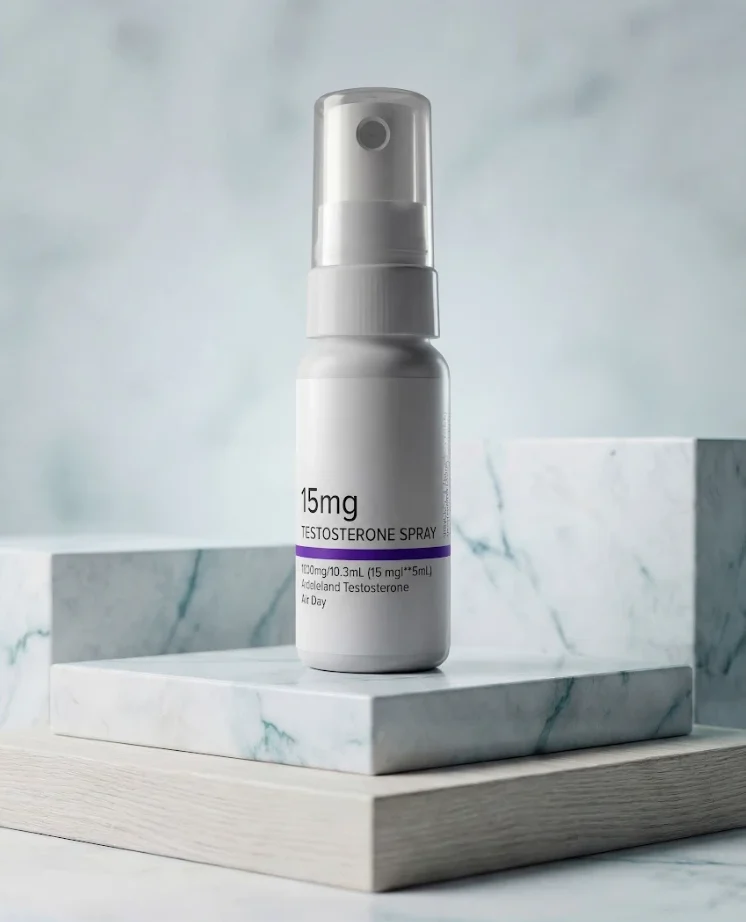
For men who want a needle-free, streamlined option, testosterone HypoSpray® may be worth discussing with a licensed provider. HypoSpray® is a proprietary transdermal spray delivery technology developed, owned, and controlled by TDSC / HypoSpray Pharma. ARSYNL Rx provides access to certain HypoSpray® products through licensed medical providers when clinically appropriate.
The appeal of HypoSpray® is the delivery experience. Compared with injections, it is needle-free. Compared with creams and gels, it may feel cleaner, faster, and easier to build into a daily routine. For men who want testosterone support without a traditional injection routine or a messy topical application, a transdermal spray format may feel more practical.
ARSYNL Rx has more information about HypoSpray® testosterone therapy for patients who want to understand how this format fits into modern TRT care.
That said, HypoSpray® is still a prescription option. It is not casual wellness spray, and it is not something patients should use without medical oversight. A provider should determine whether testosterone therapy is appropriate, review labs when needed, explain proper use, and monitor the patient’s response over time.
Which Testosterone Option Is Easiest for Daily Life?
The easiest testosterone format is the one a patient can use correctly and consistently.
For one man, that may be injections because he does not mind needles and likes a scheduled routine. For another, it may be a gel because he is comfortable with topical application. For someone else, a transdermal spray may feel easier because it avoids needles and feels more streamlined than creams or gels.
Daily life matters. A treatment plan has to work around mornings, work, travel, workouts, family routines, privacy concerns, and personal comfort. If the format feels like a hassle, consistency can suffer. If consistency suffers, the provider may have a harder time evaluating whether the treatment is working as intended.
This is why convenience is not a shallow concern. It is part of adherence. A treatment plan only helps if the patient can actually follow it.
What About Privacy?
Privacy is another reason many men look for easier testosterone options. Low testosterone can feel personal. Men may not want to discuss symptoms in a waiting room, schedule frequent in-person appointments, or explain their treatment routine to others.
Telehealth has changed that. Through a provider-guided online process, patients can begin the conversation more discreetly, complete an intake, review symptoms, and connect with licensed medical providers when appropriate.
For many patients, this is one of the easiest parts of modern testosterone care. Instead of navigating a traditional clinic experience from the start, they can explore options in a more private setting. ARSYNL Rx explains more about physician-supervised telehealth and what patients should expect from a guided online care model.
A discreet process does not mean less medical oversight. It means the patient can access care in a way that feels more comfortable while still going through proper evaluation.
Why Provider Guidance Matters With Every Format
No testosterone delivery method removes the need for provider oversight. Injections, gels, creams, oral options, and HypoSpray® all require responsible prescribing and monitoring.
A provider may review testosterone levels, free testosterone, total testosterone, symptoms, medical history, blood markers, and risk factors. Follow-up may also be needed to assess how the patient is responding and whether adjustments are appropriate.
This is especially important because more is not always better. Testosterone therapy should not be approached like a performance shortcut. The goal is not to chase extreme numbers or self-adjust based on how someone feels on a given week. The goal is medically appropriate support that is monitored over time.
Patients who are just beginning their research may also benefit from learning the difference between free and total testosterone, since lab interpretation can be more complex than one number on a report.
What Should Patients Ask Before Choosing a Format?
Patients comparing testosterone options should ask practical and medical questions.
Is this option appropriate for my labs and symptoms? How often do I need to use it? What side effects should I watch for? How will my provider monitor progress? What should I do if I miss a dose? Are there transfer concerns? Will this fit my work, travel, and home routine? How quickly should I expect changes? What should not be expected from testosterone therapy?
Those questions help patients move beyond marketing claims and into real decision-making. The easiest option should not just sound easy. It should be safe, appropriate, and sustainable.
For men who want a broader view of treatment expectations, ARSYNL Rx’s guide on TRT for men over 40 may help explain how testosterone support can fit into a longer-term plan.
So, What Is the Easiest Way to Take Testosterone Therapy?
For many men, the easiest way to take testosterone therapy is the format that avoids the biggest barriers. If needles are the barrier, a topical or transdermal option may feel easier. If creams or gels feel messy, a spray-based format like HypoSpray® may be worth discussing. If a patient prefers a defined injection schedule and is comfortable with needles, injections may still be a good fit.
There is no universal answer because “easy” depends on the person.
The better answer is this: the easiest testosterone therapy is the one that is medically appropriate, provider-guided, simple enough to use consistently, and realistic for the patient’s lifestyle.
ARSYNL Rx gives patients a discreet way to explore testosterone support through licensed medical providers. For eligible men, options like testosterone HypoSpray® may offer a needle-free, streamlined format that fits more naturally into daily life.
But no matter which format a patient chooses, the foundation should stay the same: proper evaluation, realistic expectations, provider monitoring, and consistent use as directed.
Testosterone therapy should not feel confusing or intimidating. With the right provider-guided process, patients can understand their options, compare delivery formats, and choose a path that supports both their health goals and their daily routine.