
If you’re taking a GLP-1 medication for weight management, you may have noticed something frustrating: your appetite feels manageable for several days after your injection, but as your next scheduled dose approaches, hunger starts creeping back.
Maybe you find yourself thinking about food more often, feeling less satisfied after meals, or experiencing cravings that were quieter earlier in the week. If this sounds familiar, you’re probably wondering whether your medication has stopped working.
Feeling hungry before your next GLP-1 dose does not automatically mean your medication is ineffective. Appetite changes can happen for several reasons, including how medications move through the body, your current dose, eating habits, sleep, stress, and individual treatment response.
Understanding these factors can help you have a more informed conversation with your healthcare provider rather than making medication changes on your own.
Why Does Hunger Return Before the Next GLP-1 Injection?
Many injectable GLP-1 and related medications are designed for once-weekly administration. Rather than remaining at exactly the same concentration throughout the week, medication levels change as the body gradually processes and eliminates the drug.
For example, tirzepatide has an elimination half-life of approximately five to six days. This means the amount of medication in the body gradually declines between scheduled injections, although some medication remains present when the next dose is due.
These changes can help explain why some patients notice differences in appetite during their weekly routine.
However, returning hunger is not proof that the medication has worn off completely. Weekly medications are designed with these changing concentrations in mind, and an increase in appetite does not automatically mean a higher dose is necessary.
Some patients experience relatively consistent appetite changes throughout the week, while others describe noticing more hunger closer to their next scheduled injection.
The important question is whether these changes are interfering with your overall treatment plan and whether they warrant discussion with your prescriber.
Does Feeling Hungry Mean Your GLP-1 Medication Isn’t Working?
Not necessarily.
One common misunderstanding is that successful GLP-1 treatment should eliminate hunger entirely. In reality, hunger is a normal biological signal.
Your body still needs energy, nutrients, and regular meals, even when a medication influences appetite regulation.
Feeling hungry before lunch, after physical activity, or several hours after eating does not mean something is wrong. In fact, the goal of medically guided weight management generally isn’t to eliminate all desire for food.
Instead, providers may evaluate several indicators when reviewing treatment progress, including weight trends, tolerability, appetite patterns, metabolic health, nutrition, and overall functioning.
If you’re making progress but noticing some hunger before your next dose, your provider may determine that your current plan remains appropriate.
However, if cravings become difficult to manage, your eating patterns change dramatically, or you’re no longer experiencing the expected response, further evaluation may be useful.
Why Your Current Dose May Matter
GLP-1 medications are generally introduced gradually to help patients adjust and reduce the likelihood of certain side effects.
For example, FDA-approved injectable tirzepatide follows a structured dose-escalation schedule. The starting dose is not intended to serve as the long-term maintenance dose for weight management.
That means someone early in treatment may have a different experience from someone who has been using a stable maintenance dose for several months.
However, increasing medication simply because hunger returns near the end of the week can be inappropriate.
Higher doses may increase certain adverse effects, and not every patient needs or tolerates the same maintenance dose.
Never take an additional injection early, increase your dose, or shorten your dosing interval without instructions from your prescribing provider.
This is particularly important for compounded medications, where concentrations and administration instructions may differ from FDA-approved products.
For eligible patients exploring medically supervised options, ARSYNL Rx offers information about advanced tirzepatide and compounded semaglutide through its provider-guided telehealth platform.
Are You Eating Enough Earlier in the Week?
Another possible explanation for increased hunger is that you haven’t been eating enough.
Some patients experience a substantial reduction in appetite after their scheduled medication dose. During this period, they may unintentionally skip meals, eat very small portions, or struggle to consume adequate protein.
Several days later, hunger may feel more noticeable.
While medication concentrations may contribute to changing appetite, consistently under-fueling your body can also create challenges.
For example, a person who eats very little for several days may find themselves unusually hungry when appetite begins returning.
Rather than viewing this as a failure of medication, consider whether your overall eating pattern is sustainable.
Meals that include protein, fiber-rich foods, healthy fats, and adequate total nutrition can help support a more consistent routine.
If you’re regularly struggling to eat enough, a provider or registered dietitian can help review your intake. Severe or prolonged restriction should not be considered a successful treatment outcome.
Sleep, Stress, and Activity Can Influence Hunger
Medication isn’t the only thing affecting appetite.
Poor sleep may make hunger and cravings feel more intense. Stress can influence eating patterns, food preferences, and the frequency of food-related thoughts.
Physical activity also matters. If you’ve recently increased your walking, strength training, or other exercise, your energy needs may have changed.
Other factors worth reviewing include hydration, alcohol intake, meal timing, and major changes in your daily routine.
Consider whether your hunger consistently returns on the same day of your dosing schedule or whether it becomes more noticeable after stressful workdays, poor sleep, or unusually low food intake.
Tracking these patterns can give your provider more useful information than simply reporting that the medication feels weaker.
Is Food Noise Coming Back Between Doses?
Some patients describe a return of “food noise” as their next injection approaches.
Food noise refers to persistent or distracting thoughts about eating, cravings, or the next meal. It is not a formal medical diagnosis, but it is a phrase many people use to describe their relationship with appetite.
You might notice yourself thinking about snacks more often or feeling less satisfied after eating.
However, it is important to distinguish normal hunger from distressing or intrusive thoughts about food.
If you frequently feel anxious about eating, experience episodes of uncontrolled eating, or feel pressure to restrict food excessively, these concerns deserve attention beyond medication adjustments.
A provider can help determine whether your symptoms relate to nutrition, medication response, behavioral factors, or another issue.
Are There GLP-1 Options That Don’t Require Weekly Injections?
Patients interested in GLP-1-related care may also have questions about delivery formats.
Although weekly injections are commonly discussed, not all medications in this broader category use the same administration method.
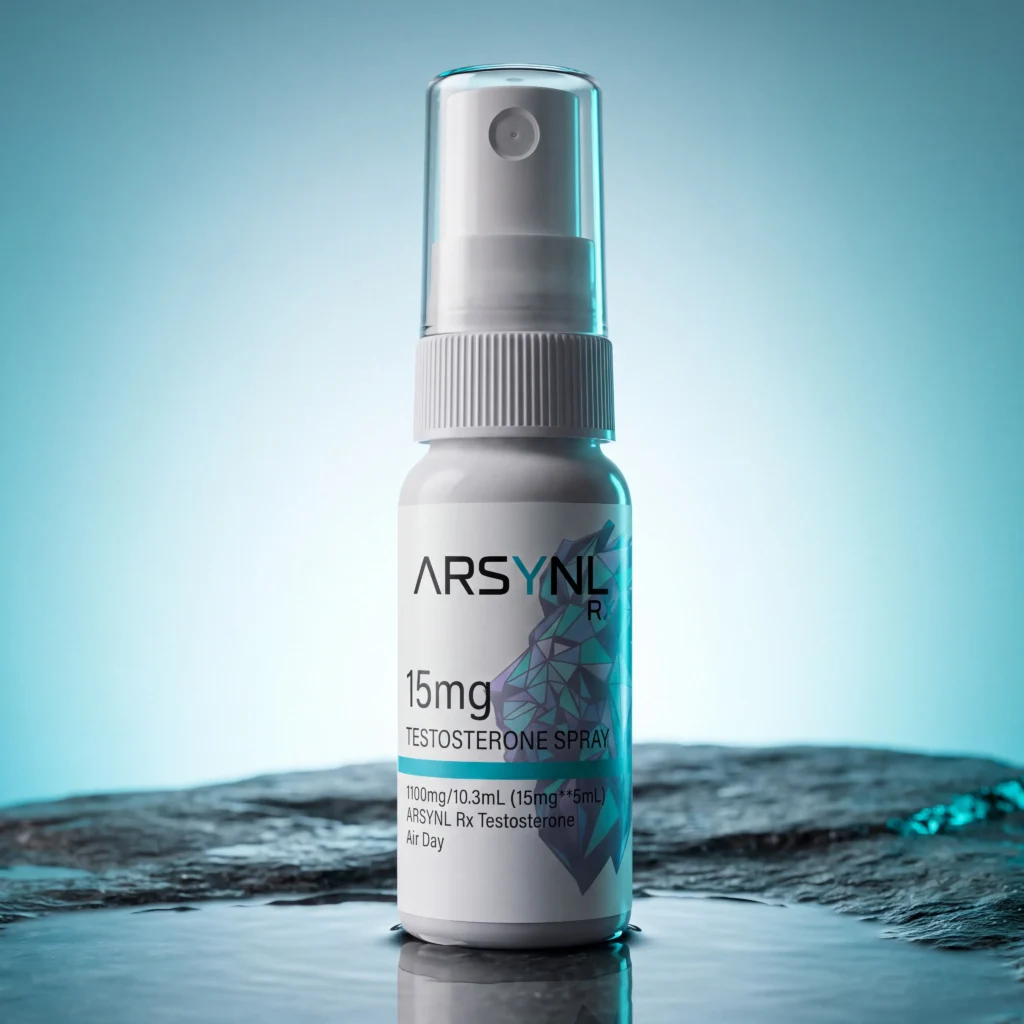
ARSYNL Rx also lists tirzepatide HypoSpray®, a needle-free transdermal formulation, among its provider-guided offerings.
The important distinction is that this is a compounded formulation, not an FDA-approved transdermal equivalent of injectable tirzepatide. Its absorption, clinical effectiveness, safety, and dosing cannot be assumed to match the approved injectable medication.
HypoSpray® is a proprietary transdermal delivery platform developed, owned, and controlled by TDSC / HypoSpray Pharma.
Patients interested in non-injectable formats should discuss the available evidence, regulatory status, and clinical suitability with their provider rather than assuming different formulations are interchangeable.
Importantly, appetite changes experienced with weekly injections should not be used to predict how a different formulation would behave.
What Should You Do if Hunger Returns Before Your Next Dose?
If you’re consistently noticing hunger before your scheduled injection, start by documenting the pattern.
It may help to record when you take your medication, when appetite begins changing, whether you’re eating enough, and whether you’re experiencing side effects.
Rather than making immediate changes, consider discussing the following questions with your provider:
- Is my appetite pattern expected at my current dose?
- Am I consuming enough food throughout the week?
- Could sleep, stress, or changes in activity be contributing?
- Is my medication schedule being followed correctly?
- Do my weight trends and other health indicators suggest the current plan is appropriate?
- Would additional nutritional guidance or medical review be useful?
If you also experience significant nausea, vomiting, dehydration, severe abdominal pain, or an inability to eat adequately, contact a healthcare professional promptly.
How ARSYNL Rx Approaches GLP-1 Weight Management
Weight management involves more than appetite suppression.
ARSYNL Rx provides a telehealth pathway for eligible adults interested in discussing metabolic health and prescription weight-management options with licensed medical professionals.
A provider may review health history, medications, weight-related concerns, treatment response, and relevant laboratory information before deciding what care may be appropriate.
Depending on medical eligibility and applicable prescribing requirements, discussions may include medication options, lifestyle adjustments, ongoing monitoring, or an alternative approach.
The purpose of provider-guided care is to avoid treating normal hunger changes as a reason to immediately change medication.
The Bottom Line
Feeling hungry before your next GLP-1 dose is not necessarily a sign that treatment has stopped working.
Medication concentrations change over time, appetite responses vary, and factors such as nutrition, sleep, stress, and activity can influence hunger throughout the week.
Instead of trying to eliminate hunger completely or changing your dose independently, focus on understanding the pattern and discussing your overall treatment response with your provider.
ARSYNL Rx offers eligible patients a confidential way to explore provider-guided weight-management care, including discussions about available medication formats and individualized treatment planning.
Medical Disclaimer: This article is for educational purposes and does not replace medical advice. Follow the administration schedule prescribed for your specific medication. Compounded medications are not FDA-approved, and their safety, effectiveness, quality, and dosing should not be assumed equivalent to FDA-approved products. Eligibility and treatment decisions require licensed medical oversight.