
Women’s testosterone therapy is becoming a bigger part of the hormone health conversation, but it is also one of the areas where patients need clear, careful guidance. Testosterone is often framed as a “male hormone,” but women naturally produce testosterone too. The question is not whether testosterone exists in women. It does. The better question is whether testosterone therapy is appropriate, safe, and clinically useful for a specific patient.
For some women, low-dose testosterone support may be discussed with a licensed provider as part of a broader hormone evaluation. But it should not be treated like a trend, a quick fix, or something to start based on symptoms alone.
So, is women’s testosterone therapy safe? The most responsible answer is: it may be appropriate for certain patients when carefully evaluated, properly dosed, and monitored by a licensed medical provider. Safety depends on the patient, the reason for treatment, the formulation, the dose, the monitoring plan, and whether other possible causes of symptoms have been considered.
Patients who want to explore hormone support through telehealth can learn more about ARSYNL Rx’s approach to hormone therapy online and why provider guidance matters from the start.
Why Would a Woman Consider Testosterone Therapy?
Women may start researching testosterone therapy because they feel “off” and cannot figure out why. They may be dealing with low libido, fatigue, low motivation, changes in body composition, mood changes, or a general sense that their hormones have shifted.
However, those symptoms can have many causes. Low libido may involve hormone changes, stress, relationship factors, medications, sleep disruption, depression, pain, perimenopause, menopause, thyroid issues, or other medical concerns. Fatigue can be related to iron, B12, vitamin D, thyroid function, sleep quality, nutrition, chronic stress, and more.
That is why women’s testosterone therapy should not begin with self-diagnosis. It should begin with a complete evaluation.
The strongest evidence for testosterone therapy in women is tied to hypoactive sexual desire disorder, commonly called HSDD, particularly in postmenopausal women after appropriate assessment. A global consensus statement endorsed by multiple medical societies concluded that the only evidence-based indication for testosterone therapy in women is treatment of postmenopausal women diagnosed with HSDD after formal biopsychosocial assessment.
That does not mean every woman with low desire needs testosterone. It means that when testosterone is considered, the “why” matters.
Is Testosterone Therapy FDA-Approved for Women?
This is one of the first questions patients should ask.
In the United States, there are FDA-approved testosterone formulations for certain male hypogonadism indications, but there are not FDA-approved testosterone products specifically indicated for women. The FDA lists approved testosterone formulations such as topical gel, transdermal patch, buccal system, and injection, but its testosterone information is framed around testosterone replacement products and safety labeling for approved uses.
Because there is no FDA-approved testosterone product specifically for women in the U.S., clinicians who treat women may use carefully selected off-label approaches when appropriate. That makes provider experience, dosing caution, and monitoring especially important.
Patients should be careful with any company, clinic, or influencer that makes women’s testosterone sound casual or universally beneficial. The absence of a women-specific FDA-approved product does not mean testosterone is never used in women. It means the patient should ask more questions, not fewer.
Is Women’s Testosterone Therapy Safe Long Term?
Long-term safety is one of the biggest areas where patients should be cautious.
Short-term use of transdermal testosterone has been studied in specific groups of women, especially postmenopausal women with HSDD. The ISSWSH clinical practice guideline was created to address patient identification, lab testing, dosing, monitoring, and follow-up care for systemic testosterone use in women with HSDD.
However, long-term safety data are still limited. Mayo Clinic notes that testosterone therapy is not right for women with heart, blood vessel, or liver disease due to lack of long-term safety research.
That is why a responsible provider should discuss both potential benefits and unknowns. “Safe” should not mean “risk-free.” It should mean the treatment is being considered for the right reason, at an appropriate dose, with realistic expectations and ongoing monitoring.
What Side Effects Should Women Ask About?
Women should ask about possible androgenic side effects before starting testosterone therapy. These may include acne, oily skin, unwanted facial or body hair growth, scalp hair thinning in susceptible patients, voice changes, mood changes, or changes in menstrual patterns depending on the patient’s life stage and therapy context.
Some side effects may improve if dosing is adjusted or treatment is stopped, but others can be more concerning. Voice deepening, for example, is often discussed carefully because it may not always fully reverse. Patients should ask what side effects to watch for, what should be reported quickly, and how often follow-up will happen.
Women should also ask how the provider will avoid excessive testosterone exposure. The goal should not be pushing testosterone levels into a male range. In women, dosing should be conservative and clinically guided.
The ISSWSH guideline cautions that increasing a woman’s testosterone dose beyond the physiologic range to overcome elevated SHBG is not supported by current evidence on androgen metabolism and short- or long-term safety.
That is an important point. More is not better. For women, careful dosing is central to safety.
What Labs Should Be Checked First?
Lab testing depends on the patient, symptoms, medical history, and provider judgment. Testosterone levels may be part of the evaluation, but they should not be interpreted in isolation.
A provider may review total testosterone, free testosterone, SHBG, thyroid markers, iron status, vitamin D, B12, metabolic markers, reproductive hormones, or other labs depending on the patient’s symptoms. The goal is not simply to find one number and prescribe based on that alone. The goal is to understand the broader health picture.
Women should ask their provider what labs are needed before starting therapy, how those labs will be interpreted, and how follow-up will be handled. They should also ask what other causes of symptoms are being considered.
ARSYNL Rx’s article on personalized hormone support through telemedicine can help patients understand why hormone care should be individualized rather than based on generic symptom checklists.
Who May Not Be a Good Candidate?
Women’s testosterone therapy is not appropriate for everyone.
A provider may be cautious or recommend against testosterone therapy for patients with certain medical histories, active hormone-sensitive cancers, significant liver disease, cardiovascular risk concerns, pregnancy, breastfeeding, unexplained abnormal bleeding, or other conditions depending on the case. The right answer depends on individual evaluation.
Patients should also be honest about medications, supplements, previous hormone use, acne history, hair loss history, mood symptoms, and family health history. These details matter because testosterone can interact with a broader hormonal and metabolic picture.
A woman who is experiencing fatigue, weight gain, low libido, or mood changes may need a broader workup before testosterone is considered. If the main issue is sleep deprivation, iron deficiency, thyroid dysfunction, medication side effects, depression, relationship distress, or under-eating, testosterone may not address the root cause.
Can Women Use Testosterone HypoSpray®?
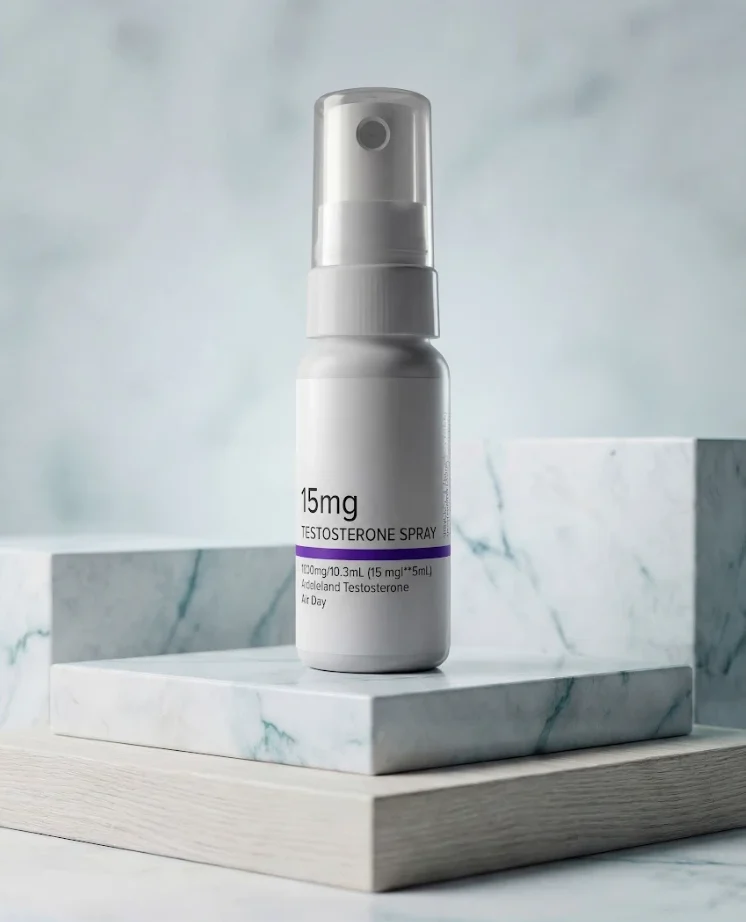
Some women are specifically interested in needle-free or transdermal options. ARSYNL Rx provides access to certain HypoSpray® products through licensed medical providers when clinically appropriate. HypoSpray® is a proprietary transdermal spray delivery technology developed, owned, and controlled by TDSC / HypoSpray Pharma.
For patients who dislike injections or do not want a messy topical format, a spray-based delivery method may feel more approachable. That convenience can matter, especially when a treatment needs to fit into a daily routine.
However, delivery format does not remove the need for medical evaluation. A women’s testosterone HypoSpray® option should still be prescription-based, provider-guided, and monitored. Patients should ask whether the product is appropriate for their goals, how dosing works, how side effects are monitored, and what follow-up is required.
For more context on the delivery format itself, patients can review ARSYNL Rx’s guide to HypoSpray® testosterone therapy. While many testosterone resources are written for men, the same general principle applies across hormone care: delivery method matters, but clinical appropriateness matters more.
Is Testosterone Therapy the Same as Menopause Hormone Therapy?
No. Testosterone therapy is not the same thing as estrogen or progesterone therapy for menopause symptoms.
Menopause hormone therapy typically refers to estrogen-based therapy, sometimes combined with progesterone depending on whether a patient has a uterus and other clinical factors. Testosterone may be discussed separately in certain sexual health contexts, but it is not the standard first-line hormone for hot flashes, night sweats, vaginal dryness, or other classic menopause symptoms.
Women should ask their provider which symptoms are being targeted and why testosterone is being considered. If the main concern is hot flashes, sleep disruption, mood swings, or cycle changes, the provider may need to evaluate menopause status, thyroid function, lifestyle factors, and other hormone options.
This is why women’s hormone care should not be reduced to one product. It should be a structured conversation around symptoms, labs, stage of life, risks, and goals.
What Should You Ask Before Starting?
Before starting women’s testosterone therapy, patients should ask direct questions.
What diagnosis or clinical concern is this meant to address? What other causes of my symptoms have been ruled out? Is this being used off-label? What dose are we starting with? How will we avoid levels that are too high? What side effects should I watch for? How often will follow-up happen? What labs will be checked? When should I expect to notice changes? What happens if I do not respond? When would we stop treatment?
These questions help patients avoid vague promises and make sure there is a real plan.
Women should also ask about the practical side of treatment. How is it applied? When should it be used? Are there transfer precautions? What should be avoided after application? What happens if a dose is missed? How should the medication be stored?
The safest hormone therapy plans are usually the clearest ones.
Why Telehealth Can Help Women Start the Conversation
Many women delay hormone care because they feel dismissed, rushed, or unsure how to explain their symptoms. Telehealth can make the first step easier by giving patients a more private way to complete an intake, share concerns, and connect with licensed providers.
That privacy can be especially valuable for topics like libido, hormone changes, body composition, and aging. Patients may feel more comfortable being honest when the process is discreet and structured.
ARSYNL Rx explains more about telehealth for women accessing hormone and weight loss therapies and how online care can support more accessible conversations around sensitive health concerns.
Still, telehealth should not mean low-touch care. A good online hormone platform should include evaluation, provider oversight, clear instructions, and follow-up when needed. Convenience is valuable only when it is paired with responsible medical guidance.
The Bottom Line: Safe for the Right Patient, With the Right Oversight
Women’s testosterone therapy is not something to start casually. It may be appropriate for select patients, especially when symptoms, evaluation, and clinical goals support its use. But it should always be approached with caution, conservative dosing, and provider supervision.
The safest path starts with questions. Why am I considering this? What else could be causing my symptoms? What does the evidence support? What are the risks? How will I be monitored? Is the dose appropriate for a woman? What should make me stop or follow up sooner?
For eligible women, ARSYNL Rx offers a discreet way to explore hormone support through licensed medical providers. Patients can also learn more about the broader ARSYNL Rx approach to getting started with online care.
Women deserve hormone conversations that are informed, careful, and individualized. Testosterone may be part of that conversation for some patients, but the goal should never be guessing or chasing trends. The goal should be clear evaluation, responsible prescribing, and a treatment plan that supports the patient’s health, safety, and quality of life.