
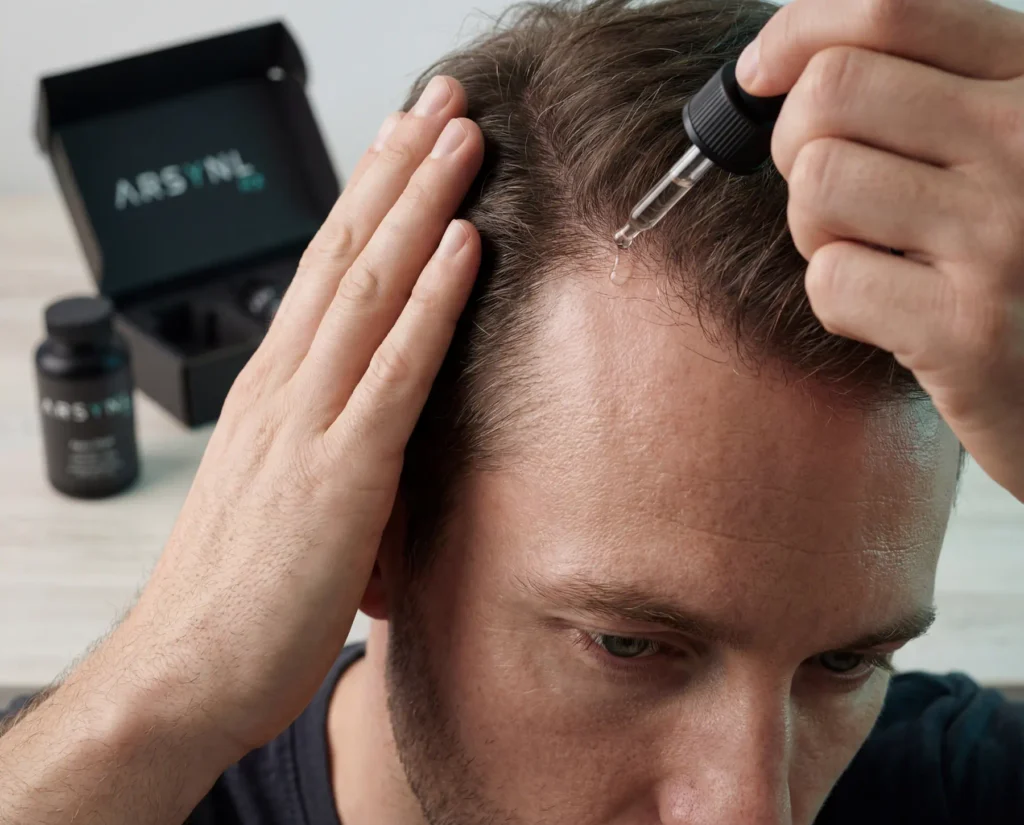
GLP-1 weight loss medications have changed the way many patients think about medical weight management. Instead of relying only on willpower, restrictive dieting, or short-term programs, more people are exploring provider-guided options that work with appetite, satiety, and metabolic regulation.
For eligible patients, GLP-1 and related therapies may be part of a structured plan for weight management. ARSYNL Rx provides more information on GLP-1 medications and online consultations for patients who want to understand how these options fit into modern telehealth care.
But as GLP-1 medications have become more common, another question has started showing up more often: can weight loss medications cause hair shedding?
The answer is more nuanced than a simple yes or no. Hair shedding during weight loss is usually not about the medication directly damaging the hair. In many cases, shedding may be related to rapid weight loss, lower calorie intake, nutritional changes, physical stress on the body, or an underlying hair loss condition that becomes more noticeable during a major health transition.
That distinction matters. Patients should understand what may be happening, what is worth monitoring, and when to talk to a provider.
Why Hair Shedding Can Happen During Weight Loss
Hair is sensitive to changes in the body. When the body experiences a major physical shift, the hair growth cycle can respond.
One of the most common explanations for increased shedding after weight loss is telogen effluvium. This is a form of temporary hair shedding that can happen after stress on the body, illness, childbirth, surgery, major diet changes, or rapid weight loss. Cleveland Clinic lists rapid weight loss as a possible trigger for telogen effluvium, which involves increased shedding over a short period of time.
The American Academy of Dermatology also explains that excessive hair shedding is called telogen effluvium and that a dermatologist can help determine whether someone is dealing with shedding or a different type of hair loss.
This matters because many people use the phrase “hair loss” for everything. But shedding and hair loss are not always the same thing. Shedding is often diffuse, temporary, and related to a trigger. Pattern hair loss, on the other hand, may involve genetic or hormonal factors and can progress over time without treatment.
During GLP-1 weight loss, both can overlap. A patient may experience temporary shedding from rapid weight loss while also having early androgenic hair loss that was already developing.
Is It the GLP-1 Medication or the Weight Loss?
When patients notice shedding after starting a medication, it is natural to blame the medication itself. That may be possible in some situations, but with GLP-1 weight loss, hair shedding is often discussed as a response to rapid weight loss rather than direct medication injury to the follicle.
Cleveland Clinic notes that the body’s response to rapid weight loss from medications like semaglutide may cause shedding, and that this type of stress-related shedding is called telogen effluvium.
In plain language, the body may interpret fast weight loss, lower food intake, nausea, reduced protein consumption, or major calorie changes as a form of stress. When that happens, more hairs may shift into the resting phase of the growth cycle. A few months later, shedding becomes more noticeable in the shower, on a brush, on pillows, or when styling hair.
This can be alarming, but it is not always permanent. The key is understanding the likely trigger and addressing the factors that may be contributing to it.
The Role of Nutrition
Nutrition is one of the biggest factors to consider during GLP-1 weight loss. These medications may reduce appetite, which can help support weight management for eligible patients. But reduced appetite can also make it easier to under-eat if patients are not intentional.
That is especially important for protein, iron, zinc, essential fats, and overall calorie intake. Hair is not the body’s top survival priority. If intake drops too low for too long, the body may prioritize essential functions over hair growth.
This is why GLP-1 therapy should not be treated like an appetite-suppression contest. The goal is not to eat as little as possible. The goal is to support healthier weight loss while protecting energy, muscle mass, hydration, digestion, and overall wellness.
MedlinePlus notes that GLP-1 agonists work best when used with lifestyle changes such as a healthy diet and regular exercise. That lifestyle piece matters because weight loss medications are most effective when paired with habits that support long-term health.
For patients using GLP-1s or exploring online medical weight loss programs, the conversation should include more than the medication itself. It should include what they are eating, how quickly weight is changing, how they are tolerating treatment, and whether they are getting enough nutrients to support their body during the process.
Rapid Weight Loss Can Be a Trigger
Hair shedding is more likely to become noticeable when weight loss happens quickly. That does not mean all weight loss is harmful. It means the pace of change matters.
GLP-1s can make it easier for some patients to eat less because they may feel full sooner or have fewer cravings. For patients who previously struggled with appetite control, this can feel like a breakthrough. But if intake drops sharply, the body may respond with fatigue, low energy, constipation, muscle loss risk, or shedding.
Patients should not assume faster is always better.
A provider-guided plan can help patients set realistic expectations, monitor progress, and make adjustments if weight is dropping too quickly or side effects are making it hard to eat enough. ARSYNL Rx discusses what sustainable progress may look like in its guide to sustainable medical weight loss, which is an important concept for anyone using medication-based support.
The best plan is not just the one that produces the fastest number on the scale. It is the one that supports a healthier body composition, better metabolic habits, and long-term maintenance.
GLP-1s, Tirzepatide, and Hair Shedding
Patients researching GLP-1 medications often come across semaglutide and tirzepatide. Tirzepatide is frequently discussed because it works with pathways related to appetite and glucose regulation. ARSYNL Rx has more information about tirzepatide for weight management for patients who want to understand where it fits into the broader medical weight loss conversation.
Whether a patient is exploring semaglutide, tirzepatide, or another provider-guided option, the same principle applies: hair shedding is often tied to the body’s response to change.
For patients using tirzepatide or considering topical tirzepatide through provider-guided care, it is worth discussing weight loss pace, nutrition, side effects, and hair changes with a provider. Patients should not stop or adjust medication on their own without guidance, but they also should not ignore new or excessive shedding.
Good care should make room for both weight goals and quality-of-life concerns.
How to Tell Shedding From Pattern Hair Loss
One of the most important distinctions is whether a patient is experiencing temporary shedding or progressive hair loss.
Temporary shedding often feels sudden and diffuse. A person may notice more hair in the shower, more hair on their brush, or an overall thinner-feeling ponytail. The shedding may start a few months after a major trigger, such as rapid weight loss, illness, surgery, or a significant diet change.
Pattern hair loss may look different. In men, it often appears as a receding hairline, thinning at the crown, or gradually reduced density across the top of the scalp. In women, it may show up as widening of the part, reduced volume, or diffuse thinning over the top of the scalp.
A patient can have both at the same time. For example, rapid weight loss may trigger temporary shedding, while underlying male or female pattern hair loss continues in the background. That is why guessing is not ideal.
ARSYNL Rx already has resources for patients who want to better understand the hair growth cycle and the role of DHT in male pattern baldness. Those topics can help patients understand why not every form of shedding has the same cause or treatment path.
When to Talk to a Provider
Patients should talk to a provider if shedding feels sudden, severe, prolonged, or emotionally distressing. They should also ask for guidance if they notice bald patches, scalp irritation, itching, pain, redness, or scaling. These signs may point to something other than routine shedding.
It is also worth reaching out if shedding begins after a major change in food intake, rapid weight loss, new medication, illness, or hormonal shift. A provider may want to review nutrition, weight loss pace, labs, medications, thyroid health, iron status, or other possible triggers.
Patients using GLP-1 support should also be honest about side effects. If nausea, constipation, low appetite, or food aversion is making it hard to eat enough, that needs to be addressed. The answer may involve adjusting nutrition habits, reviewing the treatment plan, or changing the pace of care under medical supervision.
ARSYNL Rx’s explanation of physician-supervised telehealth can help patients understand why follow-up and communication matter in online care.
How Patients Can Support Hair During GLP-1 Weight Loss
There is no guaranteed way to prevent every case of shedding during weight loss, but patients can take steps that support healthier outcomes.
First, they should avoid crash dieting. GLP-1 medications may reduce appetite, but patients still need enough nutrition. Protein should be a priority, especially during weight loss, because it supports muscle maintenance and overall health.
Second, patients should pay attention to micronutrients. Low iron, low vitamin D, low zinc, and other nutritional issues can contribute to hair concerns for some people. Patients should not start random supplements without guidance, but they should ask whether labs or dietary adjustments make sense.
Third, weight loss should be monitored. If the scale is dropping very quickly and the patient feels weak, dizzy, overly fatigued, or unable to eat enough, that should be discussed.
Fourth, patients with a known history of pattern hair loss may want to be proactive. If someone already has thinning at the crown, a receding hairline, or a family history of hair loss, a provider-guided hair plan may be worth exploring before shedding becomes more noticeable.
ARSYNL Rx provides information about online hair loss treatment and how prescription-based options may fit into a structured plan for eligible patients.
Where Hair Stacks Fit In
For some patients, hair support is not about one product. It may involve a “stack,” or a combination of treatments that target different factors involved in hair thinning.
A hair stack may include options that address DHT, support growth, improve scalp environment, or help maintain consistency over time. The right stack depends on the patient, the type of hair loss, medical history, goals, and provider recommendations.
That said, hair stacks should be used thoughtfully. Patients should not throw every popular product at the problem without understanding what they are treating. Temporary shedding from rapid weight loss may not require the same approach as androgenic hair loss. A provider can help clarify the difference.
Patients who want a broader overview can review ARSYNL Rx’s guide to the best hair loss treatment combinations or its breakdown of the 7 hair loss modalities at ARSYNL Rx.
Hair Shedding Does Not Mean GLP-1 Treatment Has Failed
Hair shedding can be frustrating, especially when a patient is finally making progress with weight management. But shedding does not automatically mean the treatment is wrong, dangerous, or failing.
It may mean the body is responding to a major change. It may mean weight is dropping faster than ideal. It may mean nutrition needs to be tightened up. It may reveal an underlying hair loss condition that deserves attention. Or it may be temporary shedding that improves once the body adjusts and the trigger is addressed.
The important thing is not to panic or self-adjust. Patients should document what they are noticing, consider timing, review their nutrition, and speak with a provider.
Medical weight loss should be about improving health, not creating new problems through poor support or unrealistic pacing.
A Smarter Approach to GLP-1 Weight Loss
GLP-1 weight loss support is most effective when patients understand the full picture. Medication may help regulate appetite and support weight loss, but the body still needs adequate nutrition, realistic pacing, and ongoing care.
Hair shedding is one of those issues that can be managed better when patients know what to watch for. It should not be ignored, but it also should not automatically be blamed on the medication alone.
For eligible patients, ARSYNL Rx offers provider-guided access to weight management options, including medical weight loss solutions online. Patients can also explore related support for hair health, including online hair loss prescriptions when appropriate.
The best approach is not just losing weight. It is losing weight in a way that supports the rest of the body too.
If a patient is noticing shedding during GLP-1 weight loss, the next step is not fear. It is evaluation, provider communication, and a plan that supports both metabolic progress and long-term confidence.