For years, medical weight loss was treated like a last resort or a private struggle people were expected to solve with more willpower. That conversation has changed. Today, more patients understand that weight, appetite, metabolism, hormones, blood sugar regulation, lifestyle, genetics, and medical history can all play a role in how the body responds to weight loss efforts.
That shift has made provider-guided weight management more mainstream. GLP-1 and related medications have become a major part of the discussion because they work with pathways involved in appetite, fullness, and metabolic regulation. But as more people explore prescription-based support, another question is getting more attention: does weight loss care always have to involve injections?
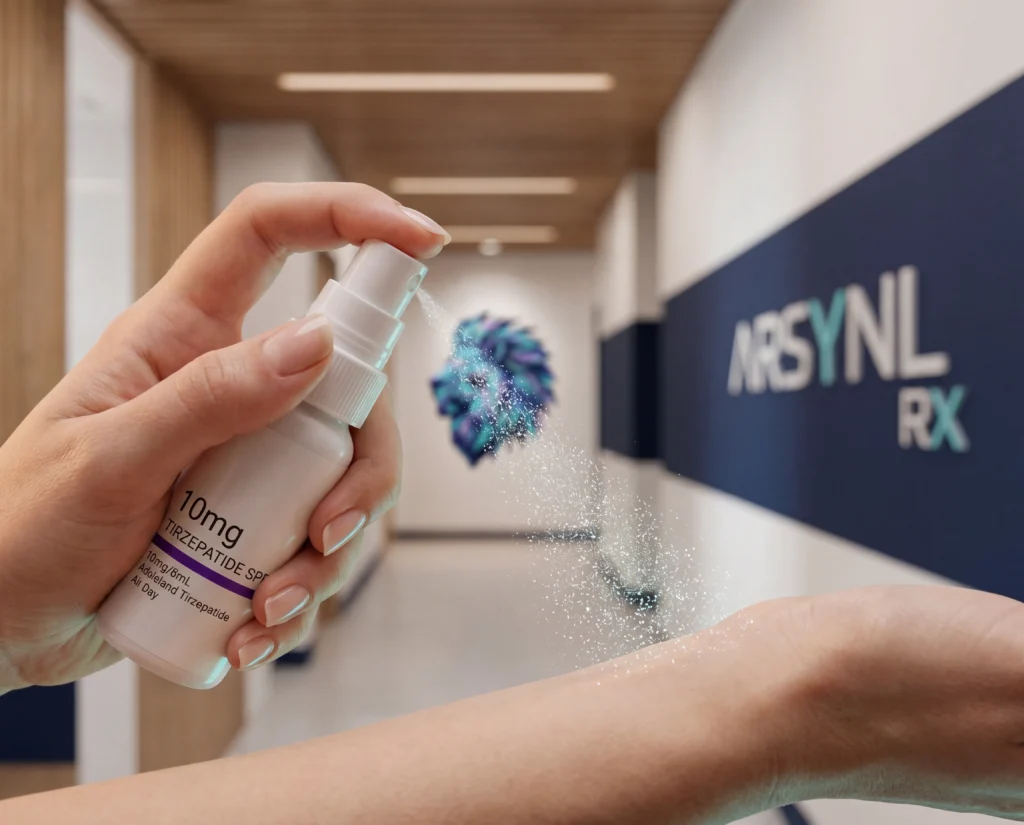
Needle-free weight loss support is becoming more relevant because patients want options that feel practical, discreet, and easier to fit into real life. For eligible patients, products like tirzepatide HypoSpray® offer a modern way to discuss prescription-based metabolic support through a provider-guided telehealth model. ARSYNL Rx provides more information about topical tirzepatide through provider-guided care for patients who want to better understand this type of option.
The Rise of Medical Weight Loss
Weight management has always been deeply personal. Some people struggle with appetite. Others deal with stubborn weight gain despite years of dieting, exercising, tracking calories, or trying structured programs. Some are managing insulin resistance, prediabetes, hormone changes, stress, sleep disruption, or medications that make weight loss more difficult.
That is why “just eat less” has never been a complete answer for everyone.
Modern medical weight loss recognizes that obesity and weight-related health concerns are not simply cosmetic issues. They can affect long-term metabolic health, cardiovascular health, mobility, energy, and quality of life. Medical weight loss can also help patients move beyond short-term dieting and into a more structured plan that may include nutrition changes, lifestyle support, provider oversight, and medication when appropriate.
This is where GLP-1 medications and related therapies have changed the conversation. These options are not magic fixes, and they are not right for everyone. But they have helped more patients and providers talk about weight management as a medical issue that deserves real evaluation, not shame or guesswork.
For patients who have felt stuck, a provider-guided approach can help clarify what may be happening beneath the surface. It can also help determine whether online medical weight loss support may be appropriate based on their health profile and goals.
Why Needles Can Be a Barrier
For many people, injectable medications are not automatically a dealbreaker. Plenty of patients are comfortable with them, especially when they understand the process and receive clear instructions. But for others, needles create hesitation.
Some patients have anxiety around injections. Others worry about doing it correctly. Some dislike the idea of storing, preparing, or traveling with injectable medications. Others simply prefer a format that feels less clinical and more natural to their routine.
That does not mean a needle-free format is automatically better for every person. It means delivery method matters.
In weight management, consistency is critical. If someone is prescribed a medication but feels uncomfortable with the delivery method, they may be less likely to stay consistent, communicate openly, or follow the plan as directed. A format that feels easier to use may help reduce friction, especially when paired with proper provider oversight.
That is one reason needle-free weight loss support is getting more attention. It speaks to a practical patient concern: people want care that works with their life, not against it.
What Needle-Free Weight Loss Support Can Offer
Needle-free weight loss support is appealing because it may feel more approachable. Instead of focusing only on the medication itself, patients are also thinking about the full experience: consultation, prescription access, ease of use, privacy, follow-up, and long-term sustainability.
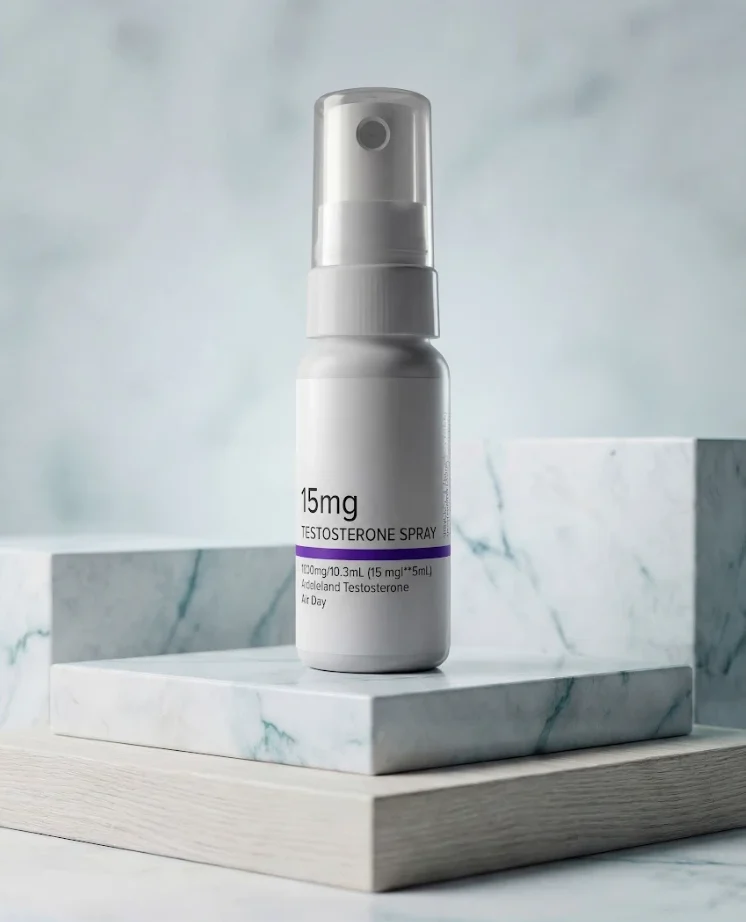
A transdermal spray format, such as HypoSpray®, may appeal to patients who want to avoid injections while still discussing prescription-based options with a licensed provider. HypoSpray® is a proprietary transdermal spray delivery technology developed, owned, and controlled by TDSC / HypoSpray Pharma. ARSYNL Rx provides access to certain HypoSpray® options through licensed medical providers when clinically appropriate.
That distinction matters. Needle-free does not mean casual. It does not mean over-the-counter. It does not mean “no medical evaluation needed.” Prescription weight loss support should still involve a provider who reviews the patient’s health history, goals, contraindications, medication use, and ongoing response.
The real value is not just the format. It is the combination of convenience and clinical guidance. Patients who want to understand how this kind of virtual process works can review ARSYNL Rx’s breakdown of physician-supervised telehealth and what provider-guided care should actually include.
Tirzepatide and the Metabolic Health Conversation
Tirzepatide has become one of the most discussed medications in the medical weight loss space because of how it works with metabolic pathways related to appetite and blood sugar regulation. It is often discussed in connection with GLP-1 and GIP activity, which are involved in appetite signaling, satiety, and glucose regulation.
For patients researching modern weight loss options, tirzepatide may come up alongside semaglutide, lifestyle changes, telehealth programs, and provider-guided metabolic care. ARSYNL Rx has a deeper overview of tirzepatide for weight management for patients who want more background on how it fits into the broader weight loss conversation.
This is why provider guidance is non-negotiable. Tirzepatide may be appropriate for some patients, but it is not appropriate for everyone. A licensed provider should evaluate whether the patient is a candidate, discuss possible side effects, review expectations, and help determine whether this type of support fits into a broader weight management plan.
For patients who are interested in tirzepatide but hesitant about injections, a needle-free conversation may feel like a more approachable starting point.
Convenience Is Not the Same as a Shortcut
One of the biggest mistakes in medical weight loss marketing is making prescription support sound effortless. That is not responsible, and it is not accurate.
Needle-free weight loss support may be convenient, but it is not a shortcut around the basics of health. Patients still need to think about nutrition, hydration, protein intake, movement, sleep, stress, alcohol use, and long-term maintenance. Medications may support the process, but they should not replace healthy habits.
That is why a provider-guided model is so important. The goal is not just to start a medication. The goal is to build a plan that helps the patient understand what they are doing, why they are doing it, and how to support better outcomes over time.
A good medical weight loss plan should help patients ask smarter questions: Am I eating enough protein? Am I losing weight too quickly? Am I staying hydrated? Are side effects manageable? What happens when my appetite changes? How should I think about maintenance? When should I check in with my provider?
Those questions matter just as much as the prescription itself. They are also why patients should understand what sustainable medical weight loss actually looks like before starting any medication-based plan.
Discretion Is Part of the Appeal
Weight loss can feel sensitive. Many people do not want to explain their goals, medications, or health concerns to everyone around them. They may want medical support without turning the process into a public conversation.
Telehealth has helped make that easier. Instead of scheduling multiple in-person appointments or sitting in a waiting room, patients can start with a more private digital experience. They can answer intake questions, connect with licensed providers, and explore whether prescription support may be appropriate from home.
For needle-free options, discretion can extend into the daily routine. A transdermal spray format may feel less intimidating or less disruptive than an injectable option for certain patients. That can matter for busy professionals, frequent travelers, parents, or anyone who wants a more streamlined approach.
Again, discretion should not remove accountability. Patients should still follow provider instructions and communicate about side effects, concerns, medication changes, and progress. But a more private format can make it easier for people to take the first step.
ARSYNL Rx’s guide on how to get started explains how patients can move from consultation to provider review and fulfillment when a prescription is clinically appropriate.
Why Provider-Guided Care Matters More Than Ever
The popularity of GLP-1 and weight loss medications has also created confusion. Patients are seeing ads, influencer posts, online offers, and conflicting claims. Some messaging is helpful. Some is exaggerated. Some is risky.
This is one of the biggest reasons patients should avoid treating weight loss medication like a trend. Whether the delivery format is injectable, oral, topical, or transdermal, the process should be guided by licensed medical professionals. Patients deserve clear education, appropriate screening, transparent expectations, and ongoing support.
Provider-guided care also helps patients understand whether a medication aligns with their health history. Not every person who wants weight loss support will be a candidate for tirzepatide or another GLP-1 option. Some patients may need lab work, additional evaluation, lifestyle changes, or a different care pathway.
ARSYNL Rx’s model is built around that provider-guided approach. For eligible patients, needle-free options like tirzepatide HypoSpray® may offer a more convenient way to explore metabolic support without losing the medical oversight that prescription care requires.
A Better Patient Experience Can Support Better Consistency
The best weight loss plan is not just the one that looks good on paper. It is the one a patient can actually follow.
That is why patient experience matters. If the process feels confusing, embarrassing, inconvenient, or intimidating, people are more likely to delay care or stop early. If the process feels clear, discreet, and manageable, patients may be more likely to stay engaged.
Needle-free weight loss support fits into this larger trend. It reflects what many patients want from modern health care: fewer barriers, better privacy, easier access, and more practical formats. But the best version of that care still includes medical review, realistic expectations, and a plan that supports long-term metabolic health.
For some patients, injectable medications may still be the right option. For others, a needle-free format may be worth discussing. The point is not to declare one format universally better. The point is to give eligible patients more informed options under proper medical supervision.
Patients comparing different medication options may also want to review ARSYNL Rx’s guide to semaglutide vs. tirzepatide to better understand how different therapies are discussed in the medical weight loss space.
The Future of Weight Support Is More Personalized
The growing attention around needle-free weight loss support is part of a bigger shift toward personalized care. Patients are no longer satisfied with generic advice or one-size-fits-all programs. They want providers who look at their full health picture, explain their options clearly, and help them make decisions that fit their goals and lifestyle.
Tirzepatide HypoSpray® speaks to that shift by combining prescription-based metabolic support with a needle-free delivery format and telehealth convenience. For the right patient, that may make the process feel less intimidating and more sustainable.
Still, the foundation remains the same: medical weight loss should be responsible, individualized, and provider-guided. No medication is right for everyone. No delivery format removes the need for evaluation. No product replaces the importance of long-term habits.
But for patients who have felt stuck, overwhelmed, or hesitant to explore medical weight loss because of injections, needle-free support may offer a more approachable conversation.
As more people look for discreet, modern, and medically supervised ways to support their weight goals, needle-free options are likely to keep gaining attention. The future of weight management is not just about stronger medications. It is about better access, better guidance, and better patient experiences from the first consultation through long-term care.